




RORRY H3 25000mAh Laptop-Powerbank 65W
 BUY 1 SAVE
BUY 2 SAVE
BUY 3+ SAVE
BUY 1 SAVE
BUY 2 SAVE
BUY 3+ SAVE
-
Free & Fast Shipping
-
30-Day Free Returns & Exchanges
-
12-Month Worry-Free Warranty
-
Lifetime Customer Support
-
Payment Methods
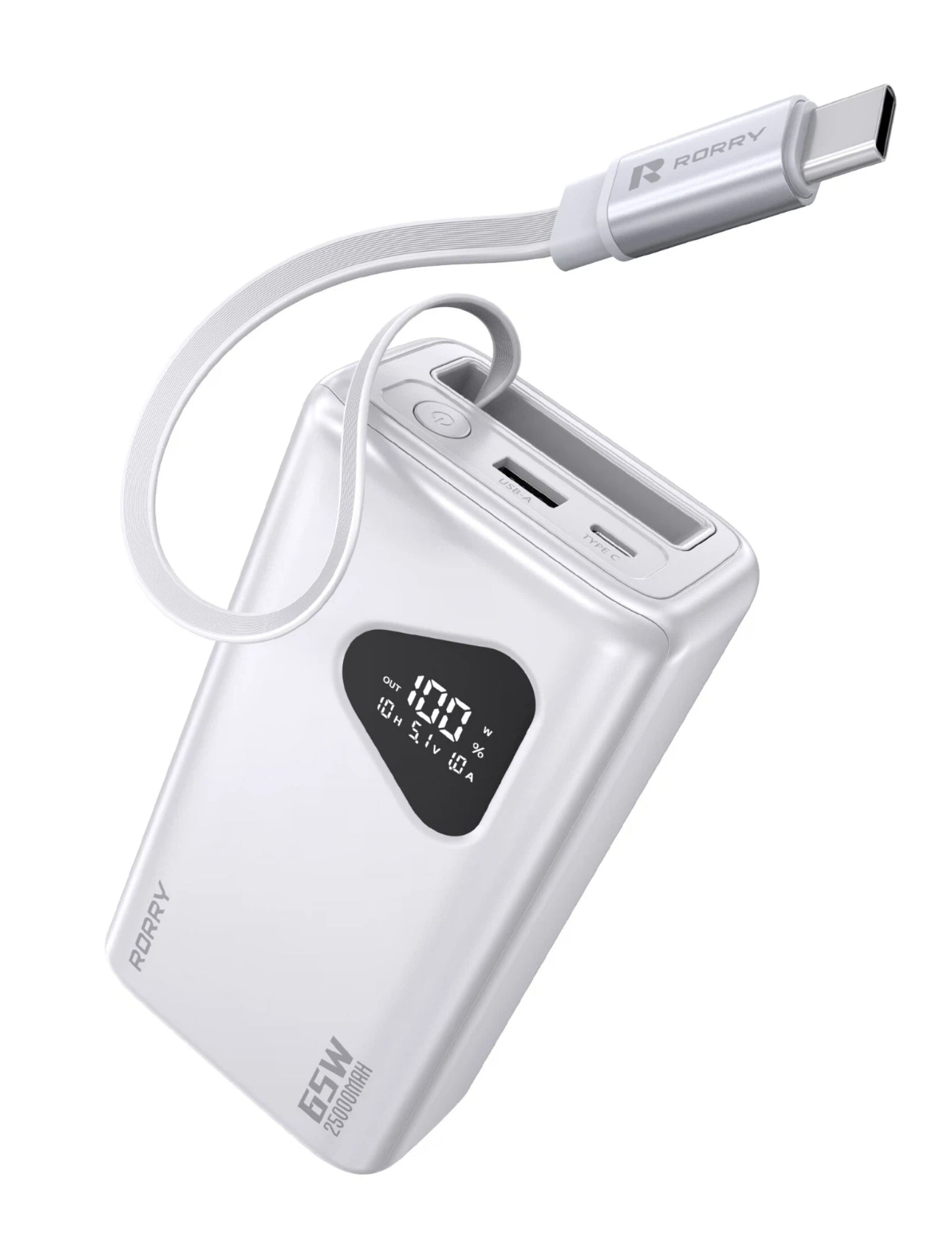
RORRY H3 25000mAh Laptop Power Bank: Retractable Cable, Power Simplified

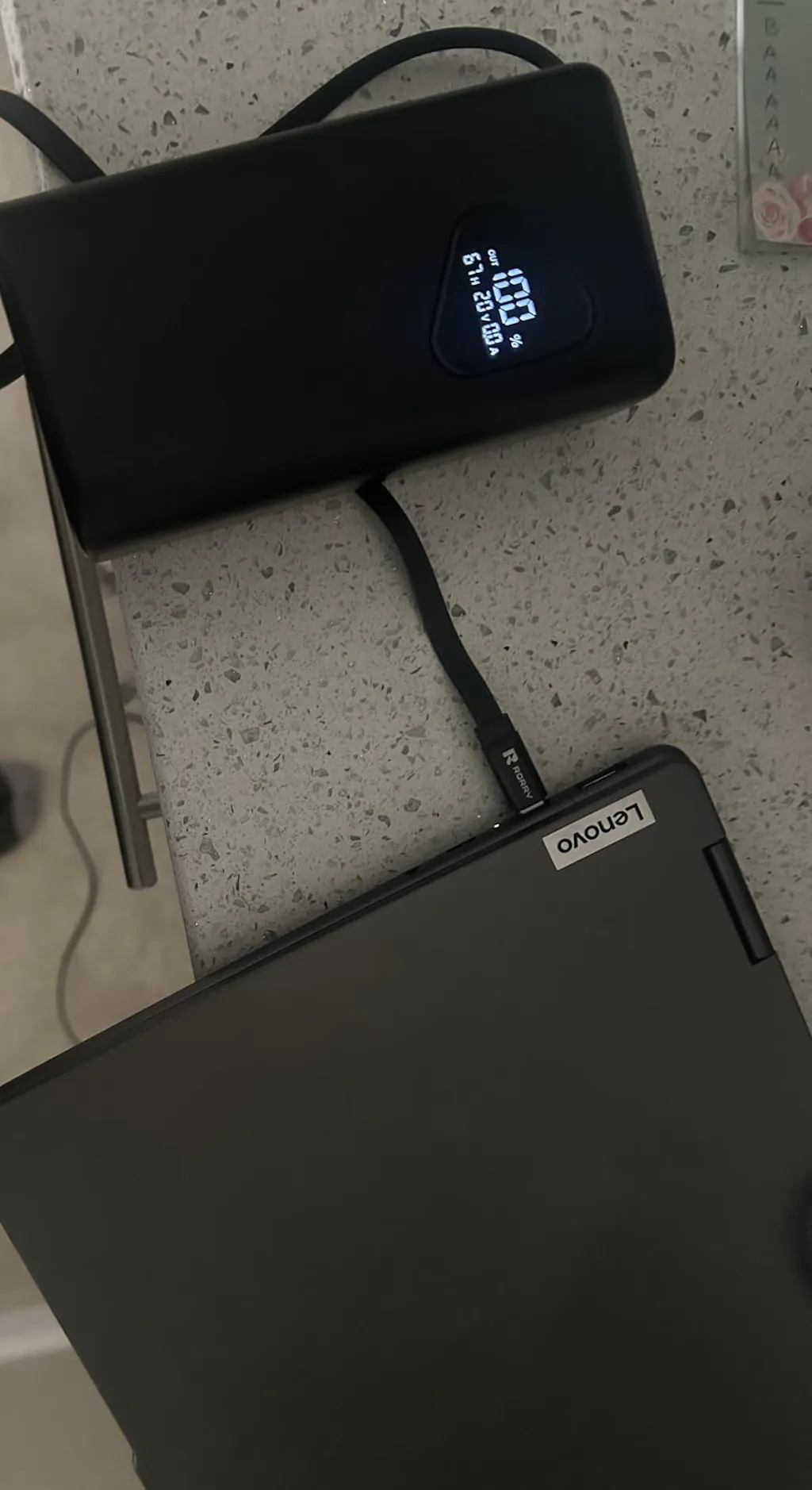
33.86in Retractable Cable: Tested for 20,000+ Retractions

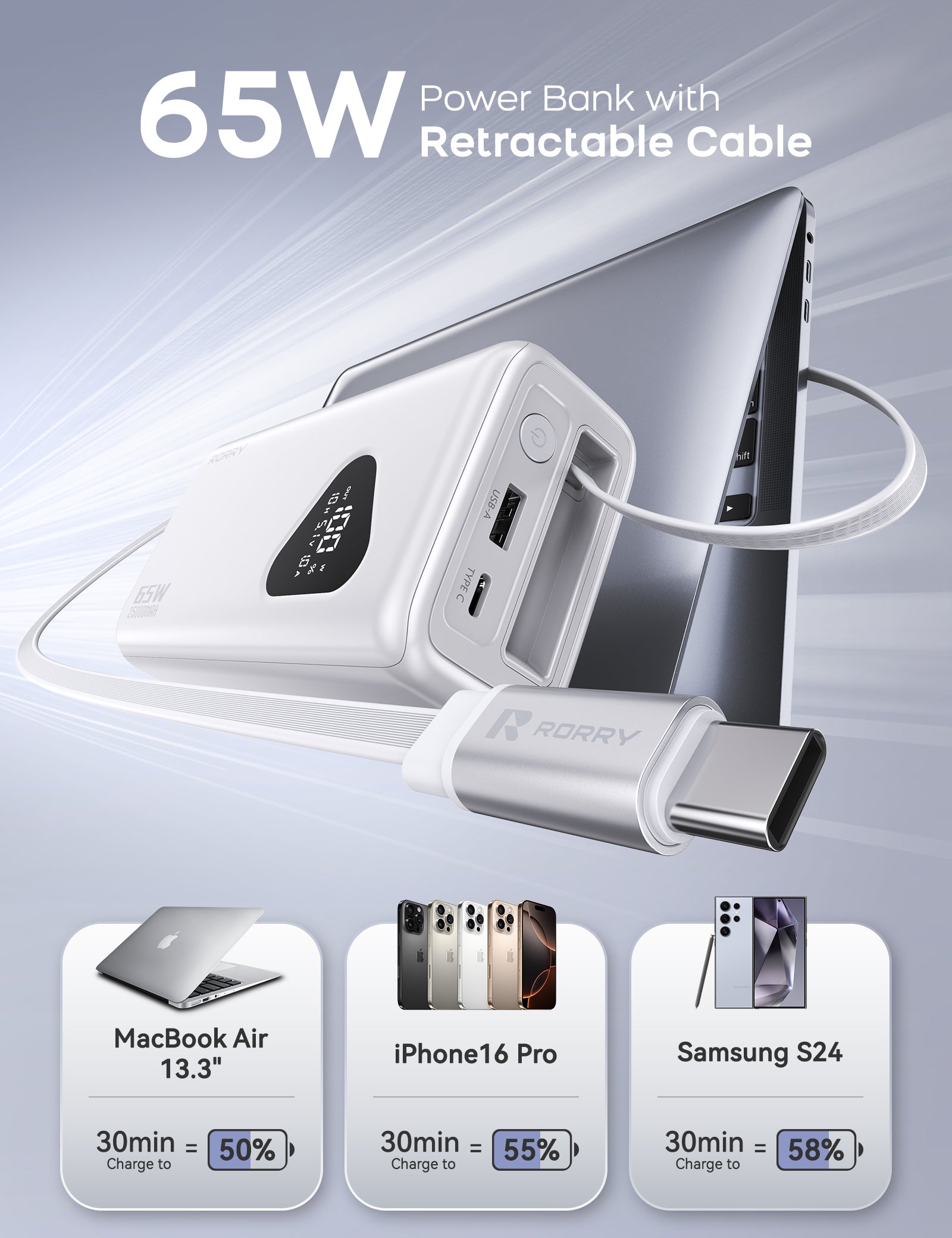
65W Max PD 3.0: 30-Min Fast Charging

Huge 25,000mAh Capacity: Power All Your Devices

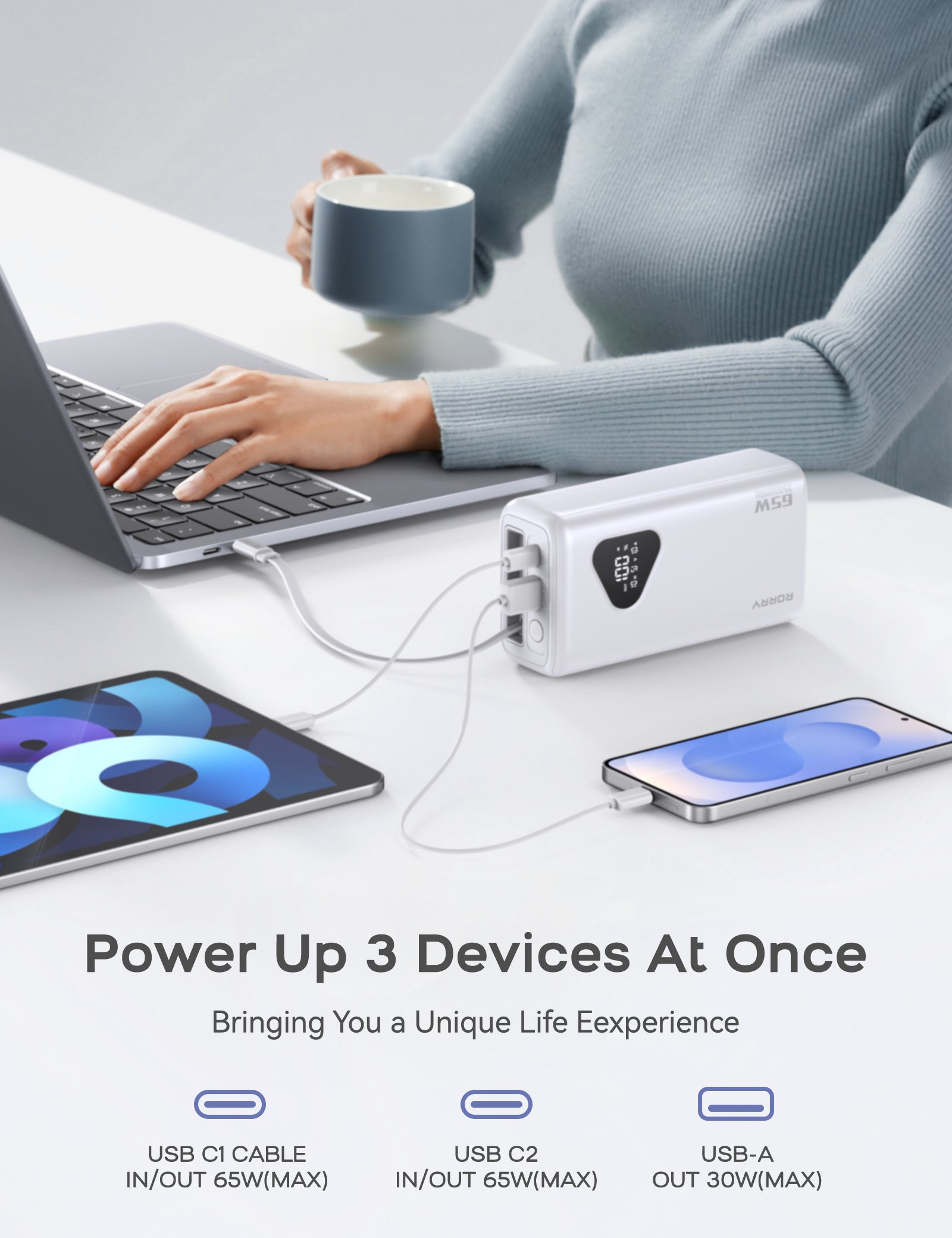
3-IN-1 Simultaneous, Efficient, Productive Charging

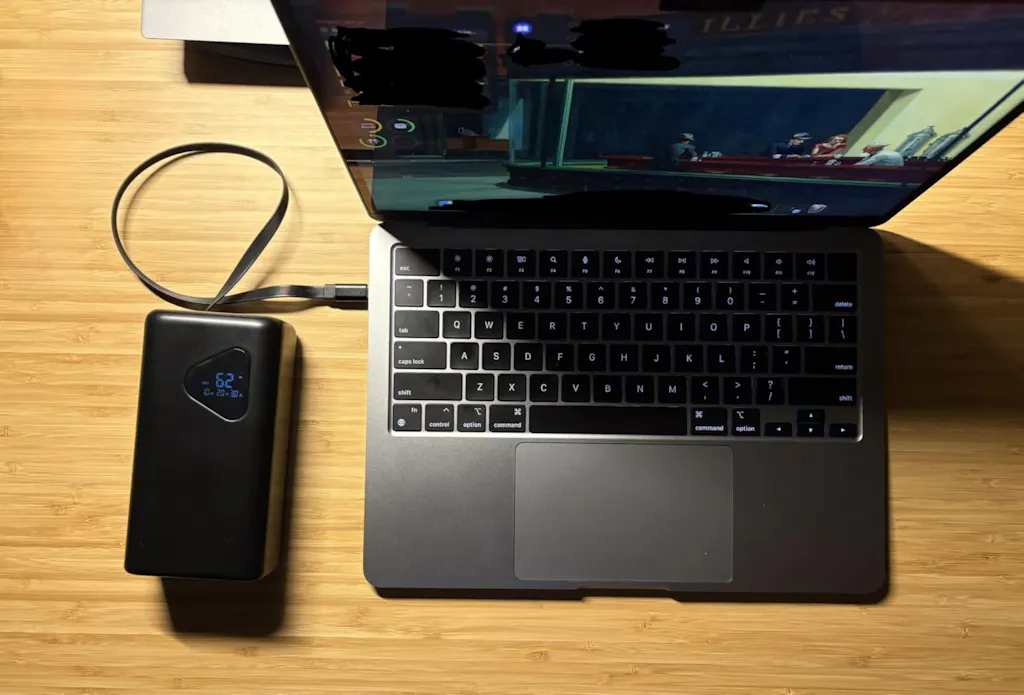
Fast Charging for All: Laptops, Phones, Drones & More

Compatible with All Major Device Models

Smart HD Screen for Real-Time Power Insights

Flexible Multi-Port Output Up to 95W Max

Retractable Cable for Stress-Free Journeys: Travel Easy

Your Travel Companion for Stress-Free Journeys: Flight-Approved

Triple Devices Simultaneous Charging: Power Your Business Work

Tech Specs
RORRY Complete Kit with Hassle-Free Support

FAQ
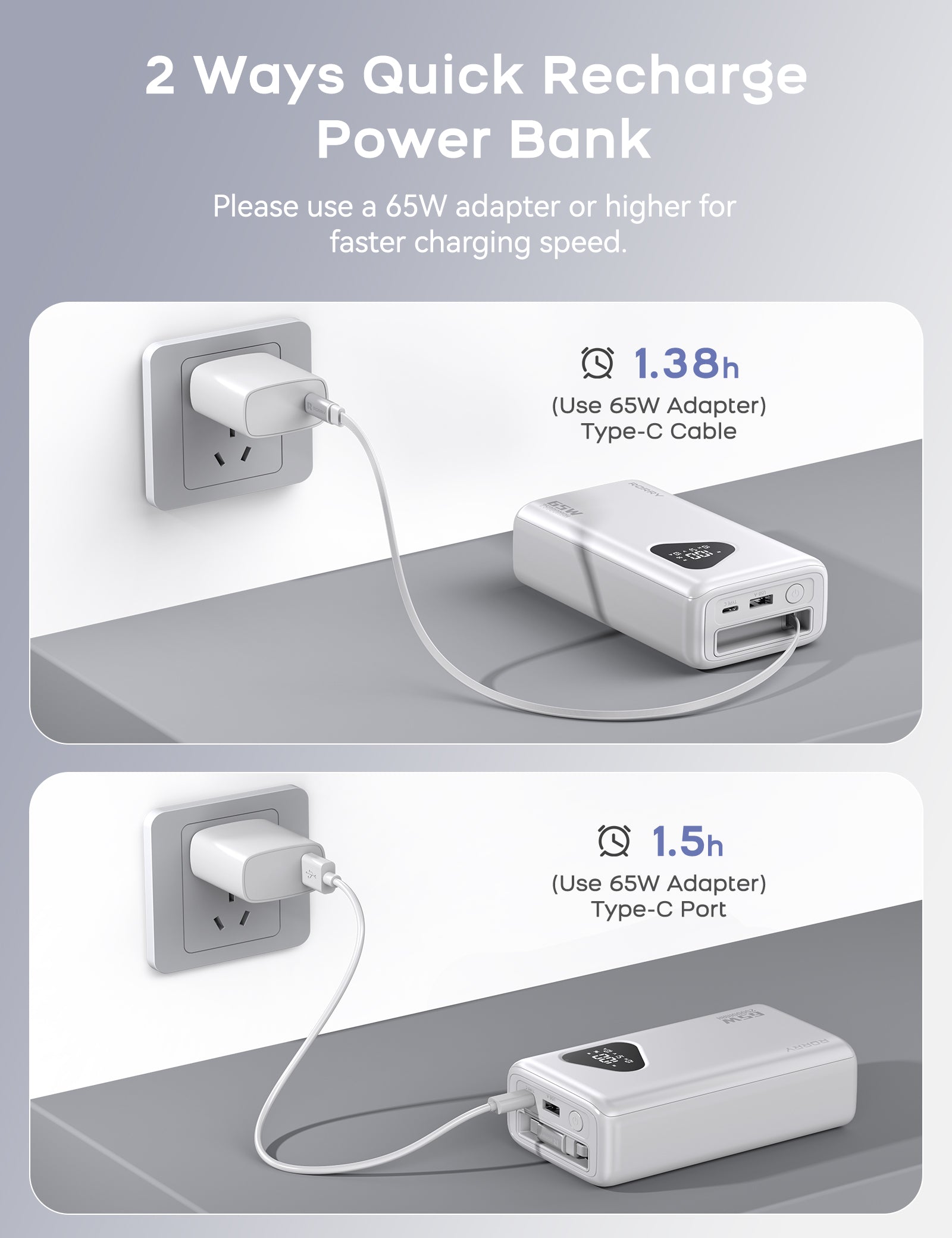
You can charge the power bank using either the USB-C retractable cable or the USB-C port.
Yes, to use this feature effectively, please use a charger rated at 65W or higher. Note that the input power must be greater than the total output power in order to charge both the power bank and your devices at the same time.
The recharge time depends on the charger's power and the ambient temperature. Using a 100W or higher charger at 77°F (25°C), it typically takes about 1.5 hours to fully recharge the power bank.
The maximum supported charging power varies by device. Charging speed also depends on the device's current battery level—when the battery is already high, it may not reach the maximum charging power.
Energy loss during charging due to inefficiencies in battery cells and circuitry results in a 30% to 45%.